


Why Private AI Systems Are the Future of Business Intelligence
Artificial intelligence is rapidly becoming the backbone of modern business intelligence systems. However, as adoption increases, a critical limitation has emerged: most AI systems operate in shared, external environments where organizations have limited control over data, model behavior, and long-term system ownership. This creates a gap between AI capability and enterprise-level requirements for security, customization, and strategic control.
Private AI systems address this gap by shifting intelligence from shared platforms to fully controlled environments. Instead of relying on generalized external models, organizations can build dedicated AI systems that operate on their own data, reflect their own logic, and evolve according to their internal business structure.
The Limitation of Public AI Infrastructure
Public AI platforms are optimized for scale and accessibility, not specificity. While they provide strong general-purpose capabilities, they are not designed for deep organizational alignment. As a result, businesses often face limitations in precision, contextual awareness, and domain-specific reasoning.
In addition, reliance on external systems introduces risks related to data exposure, compliance constraints, and dependency on third-party infrastructure. For industries that operate on sensitive or proprietary data, these constraints become strategic vulnerabilities.
Why Private AI Changes the Architecture of Intelligence
Private AI systems fundamentally change how intelligence is structured inside an organization. Instead of treating AI as an external tool, it becomes an internal layer of decision-making and analysis.
These systems can be trained on proprietary datasets, internal workflows, and organization-specific logic, enabling outputs that are context-aware and operationally aligned. This results in higher accuracy, stronger relevance, and more actionable insights.
From Generic Models to Organizational Intelligence
The transition from public AI to private AI represents a shift from generic intelligence to organizational intelligence. Instead of asking a model for a general answer, businesses begin to operate systems that understand internal structure, hierarchy, and decision pathways.
This allows AI to move beyond surface-level analytics and into deeper business reasoning—supporting forecasting, decision modeling, and workflow optimization based on real internal data structures rather than generalized assumptions.
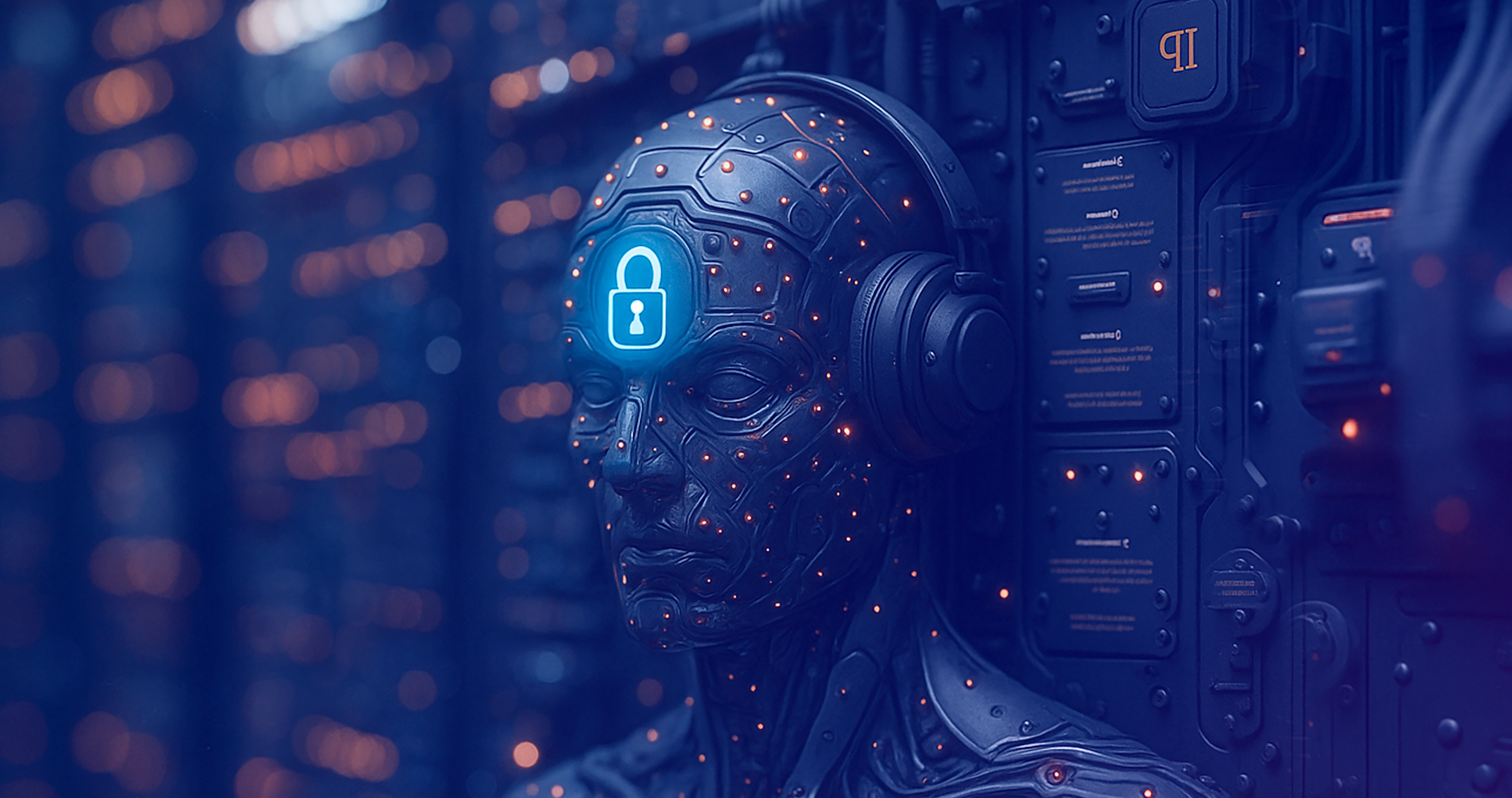
The Strategic Advantage of Ownership
One of the most important advantages of private AI systems is ownership. Instead of renting intelligence from external providers, organizations build internal systems that accumulate value over time.
This creates a compounding effect where the AI system becomes more accurate, more context-aware, and more aligned with business needs as it continuously learns from proprietary data and decision history.
The Future of Business Intelligence
As AI becomes deeply integrated into enterprise workflows, the competitive advantage will no longer come from using AI tools, but from building AI systems. Organizations that control their intelligence layer will outperform those that rely on external platforms.
Private AI systems represent this shift. They transform AI from a shared utility into a strategic asset, enabling businesses to operate with higher precision, stronger security, and deeper contextual awareness.
Leave a Reply